
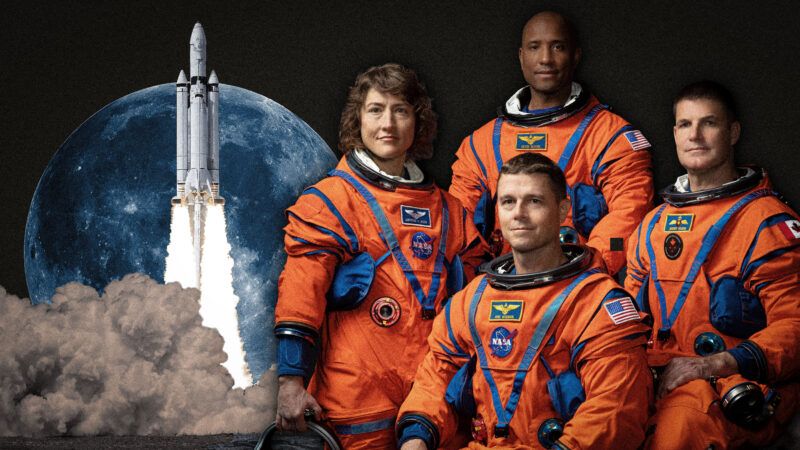
Artemis II: A Bold Return to the Moon for Humanity
For the first time in over 50 years, humanity is reaching toward the Moon again—not for a single step to an individual destination but as part of the dawn of a new era in space exploration. It can be argued that Artemis II reinstates the dream of traveling deep in space, setting the stage for future planets beyond Earth.
4 astronauts Crew Members
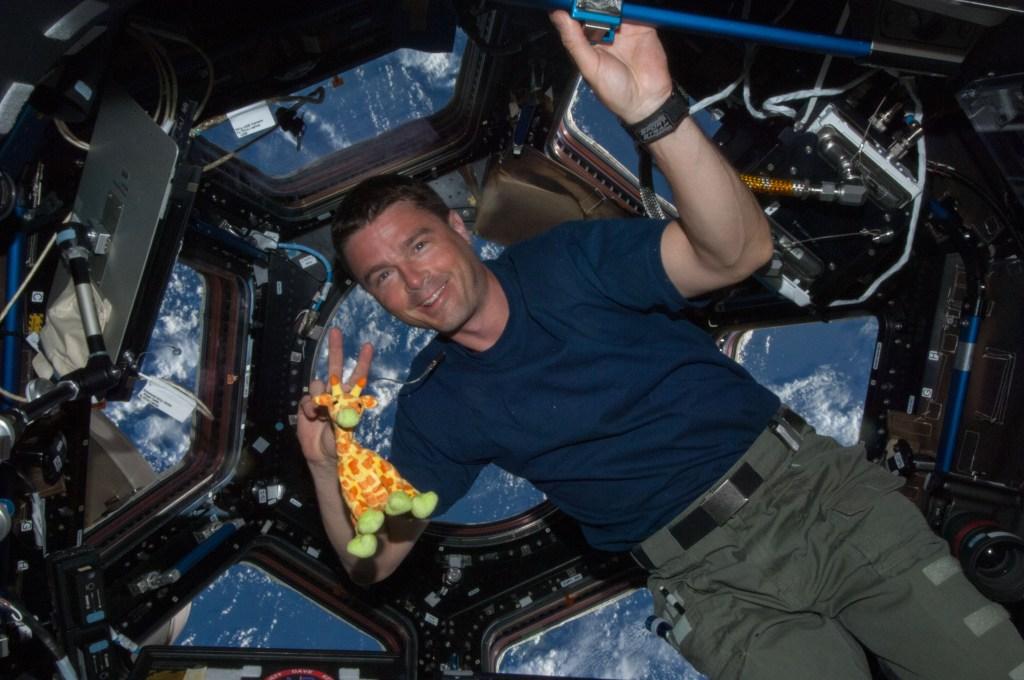

- Reid Wiseman—Mission Commander
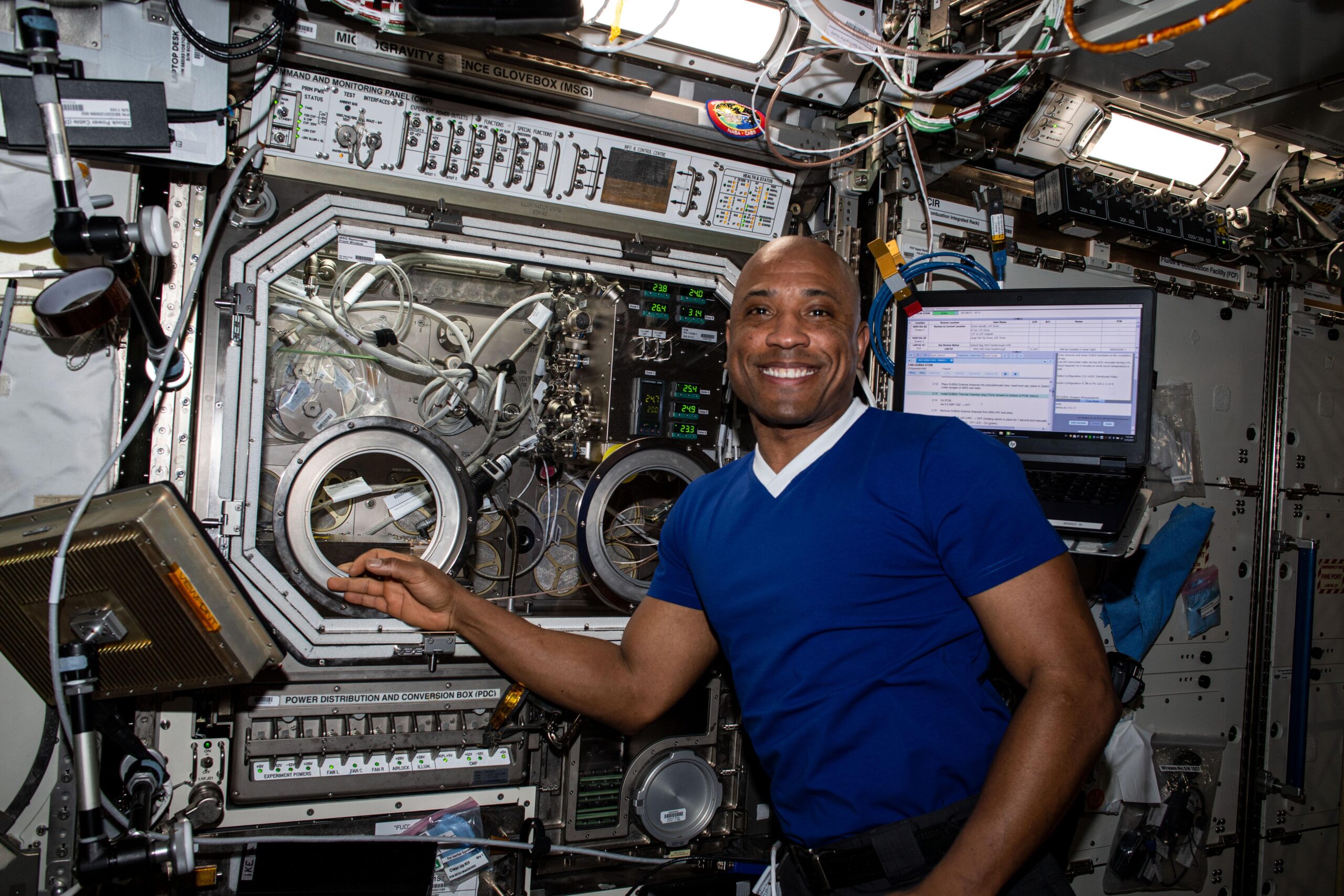
- Victor Glover – Pilot
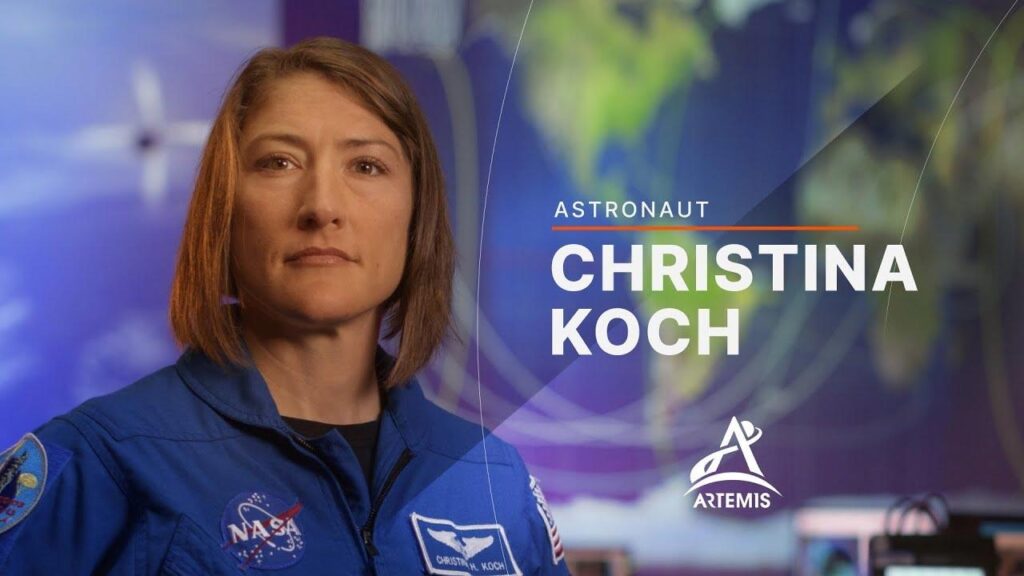
- Christina Koch—Mission Specialist
- Jeremy Hansen – Mission Specialist
A Historic Mission Begins
Artemis II is meant to be the first crewed mission of NASA’s Artemis program, which aims to send astronauts around and back from the Moon. This mission is not about touchdown just yet — it’s all about testing, learning and preparing for what follows.
Lifted into space atop the mighty Space Launch System (SLS) rocket, the Orion spacecraft is carrying four astronauts on a roughly ten-day trip. Their mission: to test that the spacecraft, its systems and human endurance are all ready for journeys farther into space.
Meet the Crew
The Artemis II crew is a new generation of explorers. These astronauts aren’t just traveling farther than any humans have in decades; they’re also pioneering a new path for those who will walk on the Moon again — and beyond.
Their role is critical. Each system they validate, each observation they make and every time they overcome a challenge helps ensure the safety of and success of future missions.
Pioneering the Future of Space Travel
Unlike earlier missions, Artemis II is very much a tech test. The Orion spacecraft will fly with life support and performance systems in four different modes, including human presence.
After reaching space, Orion unfurls its solar arrays to produce power and embarks on a carefully charted trajectory. Once it circles the Earth, the spacecraft will be nudged into a trajectory toward the Moon. Along the way, mini satellites will get sent out to pursue independent scientific experiments.
A Journey Around the Moon
The mission’s signature event is the lunar flyby. The spacecraft will loop around the Moon so that astronauts can see its surface and take photographs — especially of areas never before seen directly by people.
While there is no landing planned, the mission is critical for understanding how future crews will approach and orbit before they eventually touch down on the lunar surface.
Returning Home
At the end of its journey Orion will return to Earth, concluding with a splashdown in the Pacific Ocean. This last stage is just as critical to the launch, intended to test re-entry systems and recovery operations.
Why Artemis II Matters
Artemis II — is more than simply a mission; it’s a beacon of progress, ambition and intergalactic cooperation. It marks humanity’s renewed determination to explore space, not merely for discovery but for long-term occupancy.
The mission lays the foundation for creating a sustainable human presence on the Moon — colloquially called a “Moon Base.” From there, the next giant leap is this: sending humans to Mars.
The Beginning of a New Era
The Artemis program is not merely about retracing the successes of the Apollo era — it’s about going beyond them. With Artemis II, we can prove that we are ready to venture beyond the limits once again.
Propelled into deep space by its engines, the spacecraft now holds within itself at that timeless instant the dreams of millions and the hope for a future where humanity is not an exclusively Earth-bound species.
The journey has begun — and this time, we’re not leaving.