Petrol and Diesel Just Got More Expensive — And Here’s Why You Should Be Worried
May 15, 2026
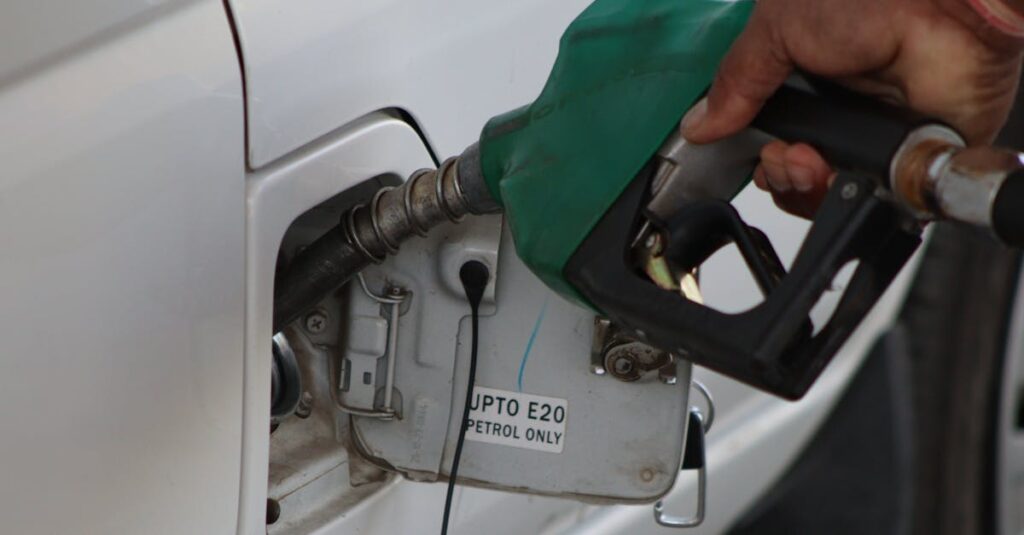
If you woke up this morning and felt like your wallet was lighter before you even stepped outside — you weren’t imagining it. India’s fuel prices just went up, and it’s a hit that every household is going to feel.
Petrol and diesel prices have been hiked by ₹3 per litre each across the country, effective today. In Delhi, petrol now costs ₹97.77 per litre, while diesel has climbed to ₹90.67. It doesn’t sound like a lot when you read the number, but if you’re filling up a tank every few days — and most working people are — this adds up fast.
So What Actually Happened?
The short answer: a war far away is now burning a hole in your pocket here at home.
The Iran-US war, which broke out on February 28, 2026, has completely upended global energy markets. The conflict triggered the closure of the Strait of Hormuz — one of the most critical oil shipping routes in the world — and caused crude oil prices to spike by over 50 percent since the war began. The Indian crude basket, which averaged around USD 69 per barrel before the conflict, shot up to USD 113-114 per barrel in the months that followed.
India imports roughly 88% of its crude oil, which means we are deeply exposed to these global shocks. When the world price of oil goes up, India feels it — and eventually, so do you at the pump.
State-run oil companies — Indian Oil, Bharat Petroleum, and Hindustan Petroleum — had been holding fuel prices steady for 11 weeks despite absorbing mounting losses. They simply couldn’t hold out any longer. The hike passed on today is essentially the government and oil companies saying: we’ve taken the hit as long as we can, and now we can’t pretend otherwise.
City-Wise New Fuel Prices
Here’s what you’ll be paying now in major cities:
| City | Petrol (₹/litre) | Diesel (₹/litre) |
|---|---|---|
| Delhi | 97.77 | 90.67 |
| Mumbai | 104.21 | 92.15 |
| Chennai | 95.25 | — |
| Kolkata | 103.94 | — |
If you live in a state with higher VAT, your local prices may be even steeper — fuel is one of those things where your state government’s tax appetite hits you directly every time you refuel.
It’s Not Just Petrol and Diesel
This is where things get a bit grim, because the fuel hike is just one piece of a broader price shock hitting Indians right now.
CNG prices in Delhi have also gone up by ₹2 per kg — announced the same day as the petrol-diesel hike. In Mumbai, Mahanagar Gas Limited (MGL) had already raised CNG rates by ₹2 per kg across the Mumbai Metropolitan Region a day earlier, with the revised price kicking in from May 14, 2026.
And if that wasn’t enough, gold prices have jumped, milk prices have increased (Amul and Mother Dairy both citing the Iran-Hormuz connection as a reason for costlier inputs), and sugar exports have been restricted. It’s a full-blown cost-of-living crunch arriving at once.
Why Didn’t the Government Act Sooner?
Honestly, this was always a ticking clock. The oil companies had been absorbing losses — just as they did during 2022-23 — hoping that crude prices would ease. They didn’t. The Iran conflict kept escalating, Brent crude has been hovering well above USD 100 per barrel, and the financial bleeding became unsustainable.
For a long time, the government was also wary of timing. With assembly elections ongoing in states like West Bengal, Tamil Nadu, and Assam, nobody wanted a fuel price hike to become an election issue. But there’s only so long you can delay the inevitable.
The ₹3 hike announced today is being seen as a partial pass-through — meaning the oil companies are absorbing some of the loss themselves rather than passing on the full burden to consumers. That’s something, but it doesn’t make the increase any easier to swallow on a daily basis.
What Does This Mean for Everyday Life?
Let’s be real about this. A ₹3 hike per litre sounds modest on paper, but the ripple effect is what really matters.
Transport costs will go up. Auto-rickshaw and cab fares tend to follow fuel prices, even if the revision takes a few weeks. Trucking costs increase, which pushes up the price of goods — groceries, vegetables, consumer products — that are moved around the country by road. Small businesses that rely on delivery vehicles will feel the squeeze. Farmers who use diesel for pumps and tractors face higher input costs.
It is, at its core, an inflationary event. And it comes on top of already-rising prices across categories.
What Can You Do?
There’s no magic solution, but a few practical things worth keeping in mind:
Check local rates before you fill up. Fuel prices can vary by a few rupees between petrol stations in different parts of a city, partly because of dealer margins. You can check live city-wise rates on sites like Goodreturns or the IOC app.
Consider CNG if you haven’t already. Even after the recent CNG hike, it remains significantly cheaper than petrol per kilometre for most vehicles. If you’re in a city with good CNG infrastructure and you’re in the market for a new car, it’s worth running the numbers.
Combine trips. Not glamorous advice, but consolidating your travel — whether in a car or on a bike — actually makes a measurable difference when fuel is expensive.
The Bigger Picture
India’s fuel pricing is caught between two realities: a global energy market in crisis because of geopolitical conflict, and a domestic consumer base that is already navigating high inflation. The government has limited room to manoeuvre — cutting taxes on fuel to offset price hikes means losing revenue, and holding prices artificially low means bleeding oil companies dry.
For now, the ₹3 hike is the government’s way of sharing the burden — some of it borne by consumers, some still being absorbed by state oil firms. Whether crude prices ease depends almost entirely on what happens in West Asia. And unfortunately, that is not something anyone in Delhi can control.
The Iran-US war lit the fuse. India — and millions of ordinary people filling their tanks — is living with the fallout.
Prices mentioned are effective May 15, 2026. Local prices may vary by city and state taxes. Check with your nearest fuel station or official OMC apps for the most accurate current rates.